5 Most Common Mistakes When Making Stuffed Vine Leaves at Home
The true flavor of sarma lies in the small details we often overlook
Stuffed vine leaves may look simple, but they require patience, technique, and an understanding of ingredients. Even if you try several times at home, sometimes the leaves turn out tough, sometimes the filling falls apart, or the flavor doesn’t fully develop.
Most of these issues come from small, easily avoidable mistakes. The choice of grape leaves, the consistency of the filling, the layering method, and the cooking technique… all quietly shape the final flavor.
Here are the 5 most common mistakes when making sarma at home and how to avoid them.
1) Choosing the Wrong Grape Leaves
The most critical part of making sarma is the leaf itself.
Thick, heavily veined or overly salty leaves become tough during cooking and overpower the flavor of the filling.
What to pay attention to:
• Choose leaves that are vibrant in color and have thin veins.
• If using brined leaves, always soak them in water beforehand.
• Heavily veined leaves should always be rolled from the inside out.
At SarMez:
We hand-sort and select each leaf to ensure consistent quality in every batch.
2) Incorrect Filling Consistency
The texture of the filling determines the future of your sarma.
A filling that’s too dry makes rolling difficult, while one that’s too watery will overflow during cooking.
What is the ideal balance?
• Oil: Adds flavor and softness.
• Onion: Should be properly balanced; too much creates bitterness.
• Spices: Must be used in harmony never overpowering.
Tip:
Let the mixture rest for 10 minutes so the ingredients blend properly.
3) Layering the Pot Incorrectly
The biggest enemy of sarma: falling apart.
This usually happens when the pot is layered incorrectly.
Correct method:
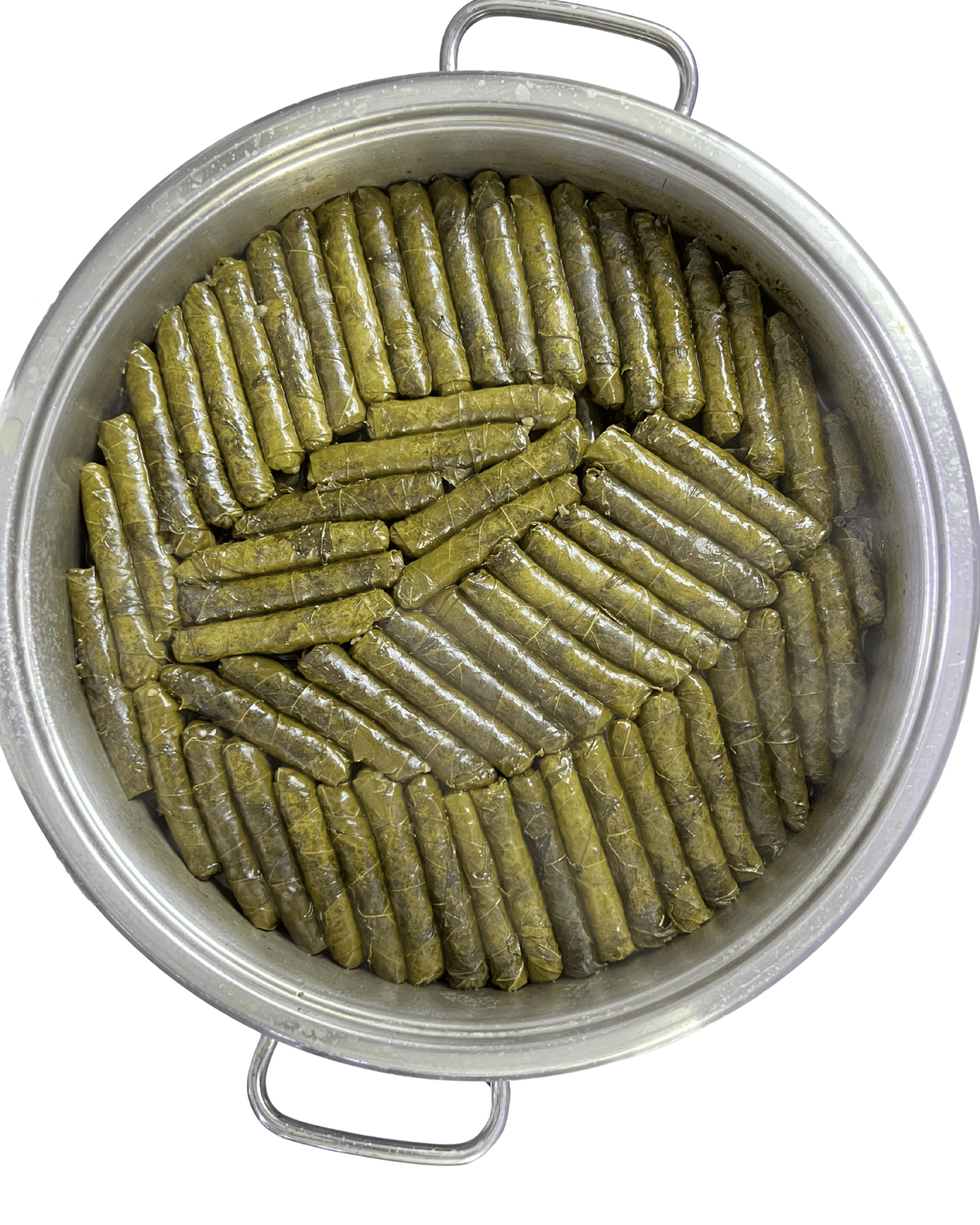
• Place a few leaves or leaf stems at the bottom of the pot.
• Arrange the rolls tightly side-by-side, leaving no gaps.
• When stacking layers, change their direction each time.
This distributes heat evenly and prevents the rolls from opening.
4) Adding Too Much Water While Cooking
One of the most common mistakes:
“Let me add a little more water, just to be safe.”
No it actually makes things worse.
Too much water will:
• Toughen the leaves,
• Make the filling mushy,
• Dilute the flavor.
The right amount:
Add warm water only until it reaches halfway up the rolls + a splash of lemon.
Placing a flat plate on top helps ensure even cooking.
5) Misjudging the Cooking Time
Sarma does not like to be rushed.
Cooking for too short a time ruins the flavor; cooking too long causes them to fall apart.
Correct cooking:
• Simmer on low heat for 45–60 minutes
• Once it starts boiling, reduce the heat to the lowest setting
• Let it rest for 15 minutes after turning off the heat
At SarMez:
We standardize cooking times based on weight and moisture levels ensuring consistent flavor in every batch.
Final Thought: Flavor Lives in the Details
Sarma is a dish of patience and precision.
Choosing the right leaves, balancing the filling, layering properly, and cooking with control each step shapes the final taste.
At SarMez, we apply every one of these steps with standardized, hygienic, and carefully crafted production methods.
Real flavor lives in the details.